

Skincare and cosmetics without microplastics: what you need to know


Posted: · Updated:
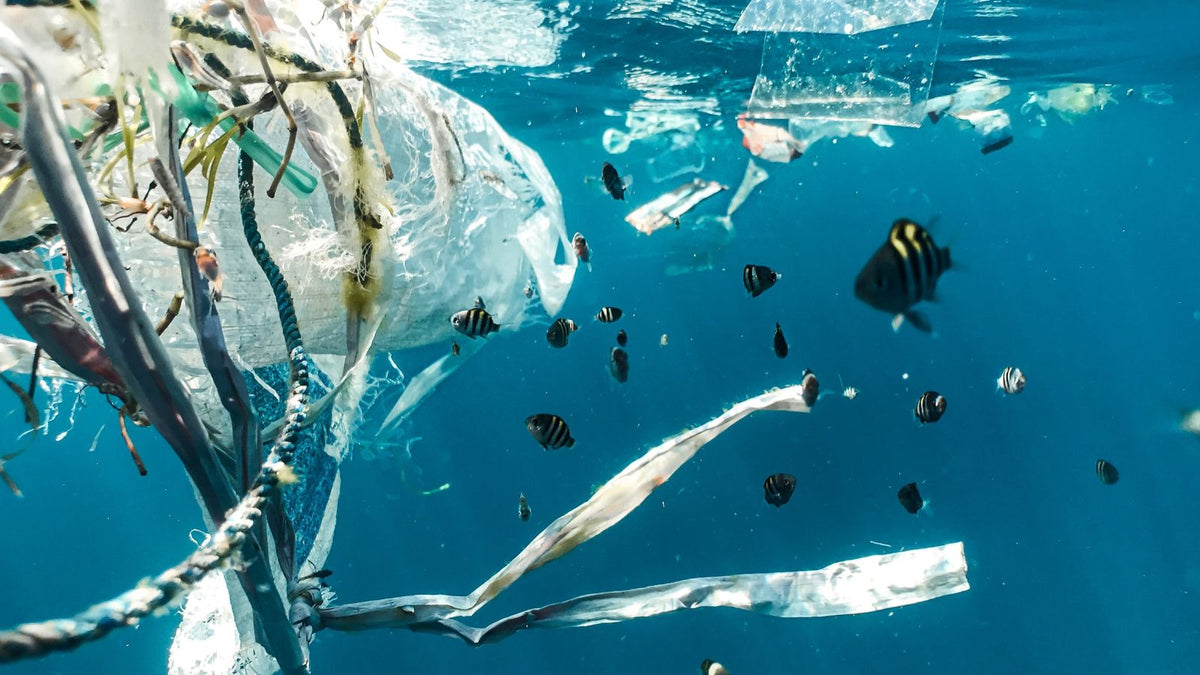
Did you know that a lot of cosmetics still contain plastic? And not in the packaging, but in the cream itself. When I first discovered this, I was absolutely blown away. We all apply all sorts of things to our faces and bodies every day, but often without realizing that tiny plastic particles are hidden within. These are called microplastics. In short: micro stands for small (less than 5 mm), nano is even smaller (so minuscule that it can even penetrate the skin), and macro is the large variety we know as litter.
Why are microplastics used in cosmetics?
To be honest: microplastics are used because they 're cheap and multifunctional . They're made from petroleum, making them exceptionally inexpensive ingredients. Perfect for making a cream spreadable. That's why many major brands continue using them – because without microplastics, the cost of a product would be many times higher.
Microplastics also make a cream feel smoother, give it a beautiful shine, and help ingredients adhere better. Sometimes they're even added as scrub beads – thankfully, this is becoming less common, as some of this is now prohibited.
But don't be fooled by the names: Polyethylene, Acrylates Copolymer, Nylon-12 … they don't sound like plastic, but they are. And these are just a few examples. In total, there are over 500 different names used in skincare.
How do you recognize microplastics?
And that's precisely the problem: the INCI names are anything but clear. You almost have to be a chemist to decipher them all. Fortunately, there are tools. The Plastic Soup Foundation's PlasticFreeFuture app is a winner: scan the ingredients list and you'll immediately see if it contains microplastics. Some certifications also help, but beware: not every label is equally strict. My tip: combine an app with a critical eye, and don't be afraid to ask a brand how they handle this.
Microplastic-free brands : face and day cream without plastic
Fortunately, the selection is growing. Food for Skin of course adds no microplastics, but other brands are leading by example too.
-
Food for Skin
What I find important: we collaborate with the Plastic Soup Foundation and proudly carry their 0% plastic inside quality mark. That gives you peace of mind. However, ingredient lists can change. So always check – or use the PlasticFreeFuture app.

No added microplastics
Tomato Base Cream - Day and Night CreamDay and night cream for every skin, including sensitive skinRich in antioxidants from tomato (provitamin A) and vitamin E.
From 39,50
How does Food for Skin approach this?
When we started Food for Skin, it was a no-brainer for us: no added microplastics in our formulas . Period. You'll always find the complete INCI list on our product pages, including a clear Dutch translation. Because I also want to understand what I'm putting on my skin, without any unnecessary nonsense.
-
We only use ingredients of natural origin , as pure as possible.
-
We don't add microplastics, and we also pay attention to our packaging. That's why we choose glass bottles and jars , eliminating the risk of plastic ending up in our products. Our sunscreen comes in tubes made of 100% recycled plastic from the Netherlands , with a biodegradable lining to prevent contamination.
-
The Plastic Soup Foundation has checked all our products and we have been awarded the 'No plastics inside' quality mark .
Legislation and the future
A ban on microplastics in cosmetics is coming, but not until 2035. That's still far too far away. Why is it taking so long? The cosmetics manufacturers' lobby is apparently strong and has forced this through. We know from experience that reformulating, testing, and relaunching microplastic-free facial care products takes about a year. Large companies can probably do this much faster. So why wait so long?
Every day we continue to use plastic, more ends up in our environment and our bodies. That's why we're consciously choosing to do things differently now.
“Because I also want to understand what I'm putting on my skin, without any unnec”
Conclusion
Microplastics don't belong in skincare. There are plenty of great alternatives that are just as effective. Want to understand more about why microplastics are such a major problem for health and the environment? Then read our comprehensive article on the dangers of cosmetics containing microplastics.
Want to better understand why microplastics are such a major problem for health and the environment? Read our comprehensive article on the dangers of cosmetics containing microplastics.


