Squalane: the oil your skin already knows
2026-09-25 Cathy Molenaar
Squalane is a light, odourless oil that closely resembles squalene, a component of your own sebum. That is why it feels light, absorbs quickly and suits almost every skin type. Squalane supports the skin barrier and helps limit moisture loss. The plant-based variety, like the one Food for Skin uses, is obtained from olives.
What is squalane?
Your skin naturally produces squalene, an oily substance that is part of the sebum that keeps your skin supple and protected. Squalane, with an a, is the stabilised form of it: the same molecule, but saturated, so it does not oxidise and keeps for a long time. Because your skin recognises the substance, squalane is one of the best-tolerated oils in cosmetics: light, not greasy and non-comedogenic. That means it does not clog your pores.
Squalane or squalene: what is the difference?
You will come across both spellings, and that is more confusing than it needs to be. Squalene (with an e) is something different: it is the natural, unsaturated form that your skin makes itself and that oxidises quickly, which makes it unusable in products. That is why an ingredient list always says squalane, the stable version.
What does squalane do for your skin?
Honest up front: squalane does not add moisture to your skin. No oil does. What squalane does do is keep existing moisture in, by supporting the skin barrier with a light, breathable layer. The effect feels the same, soft and comfortable skin, but the mechanism is retaining moisture rather than adding it.
| Skin type | What squalane does |
|---|---|
| Dry skin | Limits moisture loss, so your skin feels tight less quickly |
| Sensitive skin | Skin-identical, odourless and mild, so little chance of a reaction |
| Combination to oily skin | Feels light and does not clog pores, because squalane resembles sebum |
Is squalane vegan? About its origin from olives
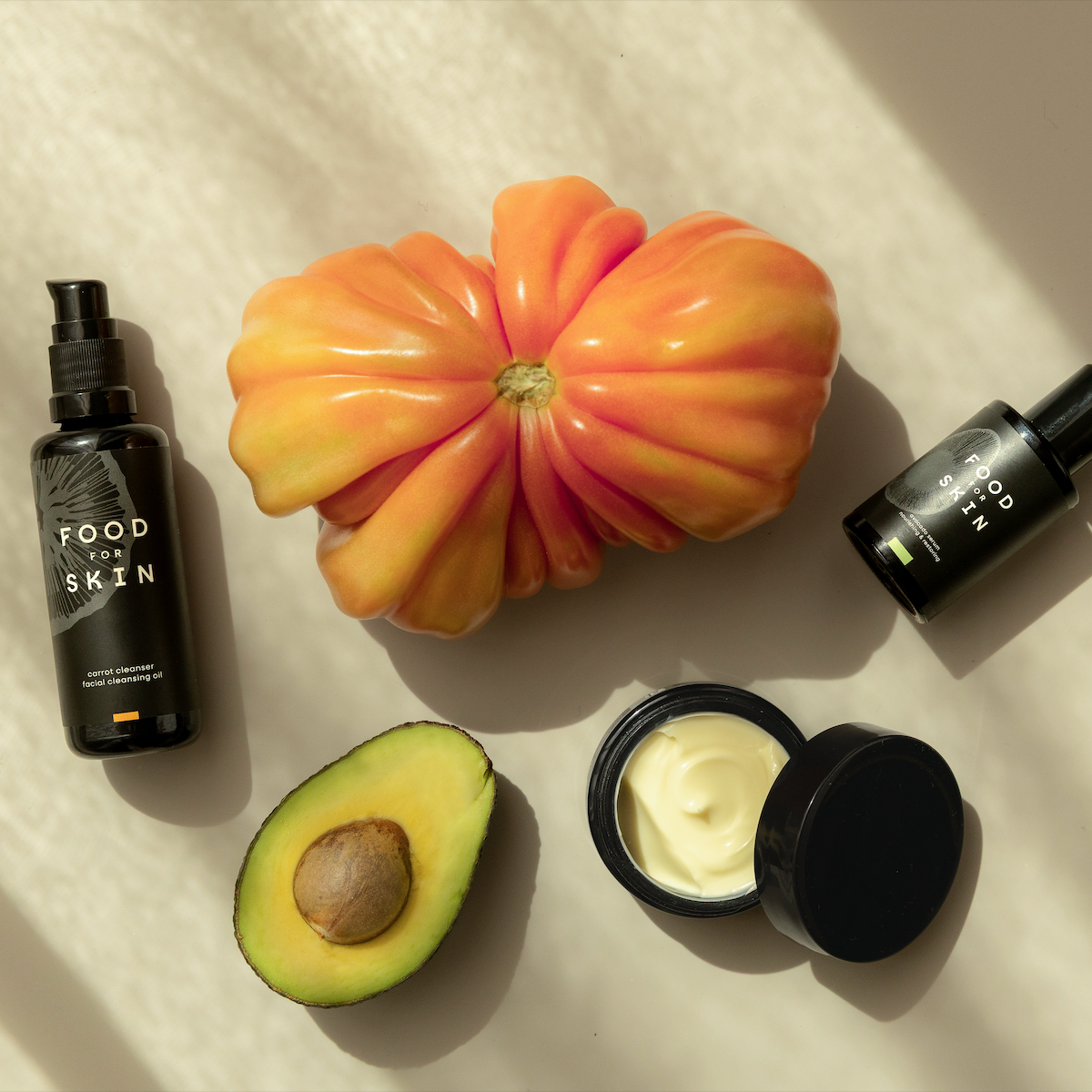
That depends on the source, and that is exactly why this question matters. Historically, squalene was obtained from shark liver, and unfortunately that practice still exists in parts of the industry. The modern, animal-friendly route is fully plant-based: from olives or sugarcane. At Food for Skin, the squalane comes from olives, so it is plant-based and vegan. Always ask for any squalane product, because the INCI name itself does not tell you the origin.
Squalane in Food for Skin products
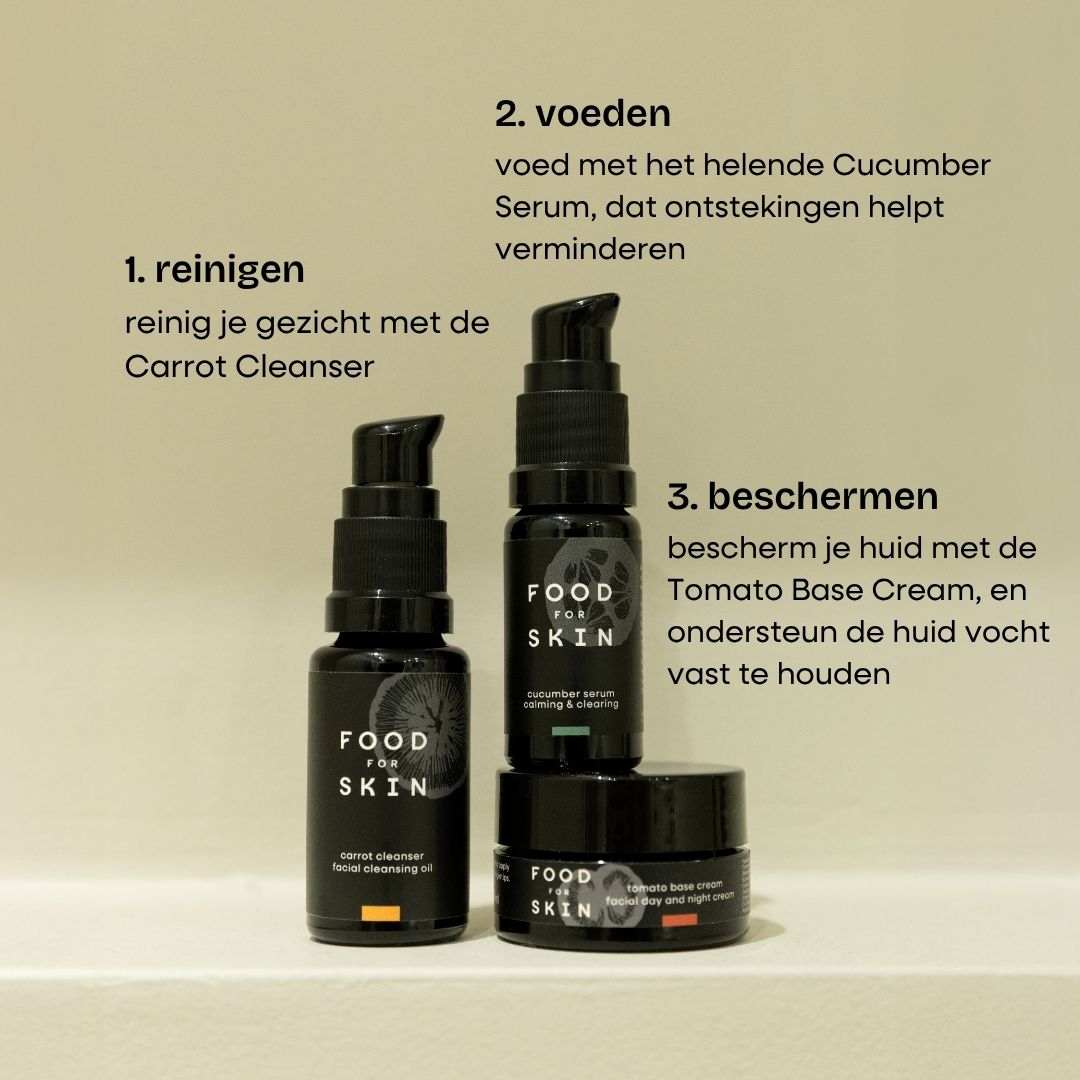
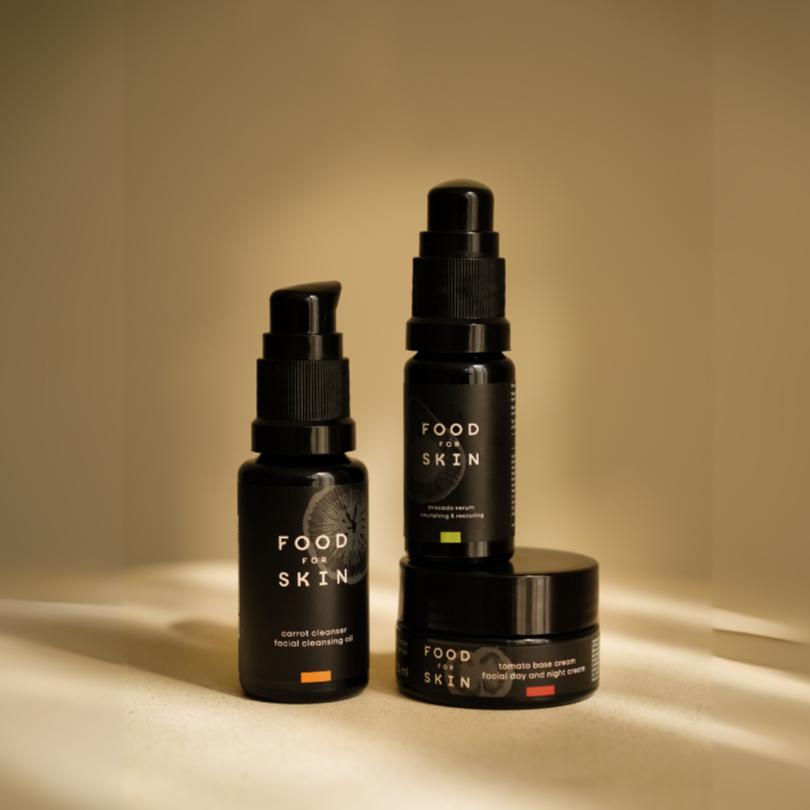
Squalane is found in our Cucumber Serum, where it contributes to the calming formula for sensitive skin: it makes the serum light and pleasant to use and supports the skin barrier together with the other plant oils. Also read how squalane works together with other natural lipids for your skin barrier. You can find more about all ingredients on the ingredients page.
Curious about the other popular ingredients and their natural counterparts? See all natural alternatives at a glance.