Vitamin C for your skin from a natural source
2026-09-25 Cathy Molenaar
Vitamin C plays a role in collagen formation and helps protect the skin against free radicals. Pure vitamin C (L-ascorbic acid), however, is unstable: it oxidises quickly on contact with light and air. Natural sources such as Kakadu plum, one of the richest sources of vitamin C in existence, provide the vitamin in a stable, plant-based form.
What does vitamin C do for your skin?
Vitamin C is valuable for the skin for two reasons. It plays a direct role in collagen synthesis, the process by which your skin produces its supporting tissue, and it is an antioxidant that helps protect against free radicals from sun and pollution. That is why vitamin C rightly appears in almost every list of well-supported skincare ingredients. The question is not whether vitamin C is useful, but in which form it can do its job.
Why pure vitamin C is tricky in cosmetics
L-ascorbic acid, the pure form of vitamin C, is notoriously unstable: under the influence of light, air and water it oxidises and loses its effect. You may recognise this from serums that turn brown over time. On top of that, in higher concentrations it can sting and irritate, especially sensitive skin. That is why cosmetics have been searching for more stable ingredients for years: derived forms and natural sources in which the vitamin is naturally protected.
Vitamin C from a natural source: Kakadu plum
Kakadu plum, an Australian fruit (Terminalia ferdinandiana), is one of the richest natural sources of vitamin C in existence, many times more concentrated than an orange. In the fruit, the vitamin is embedded among polyphenols and other antioxidants that keep it stable, exactly the system a laboratory tries to recreate.
Kakadu plum in a sunscreen is a logical combination: you protect your skin against the sun and against the free radicals that sunlight causes, in one product.
| Natural source | What it contributes | Where to find it |
|---|---|---|
| Kakadu plum | One of the richest natural sources of vitamin C, stable thanks to accompanying antioxidants | Sunscreen SPF30 |
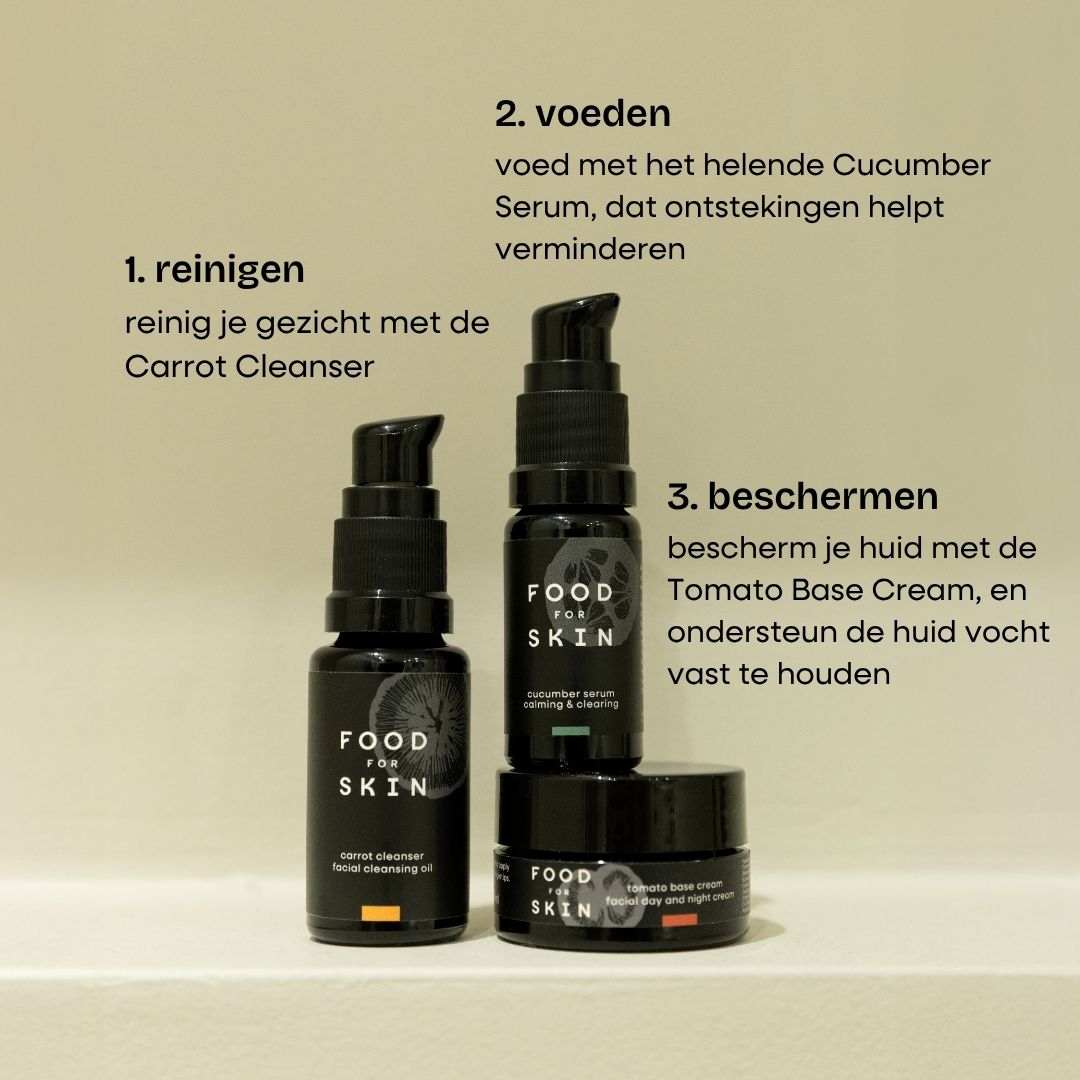
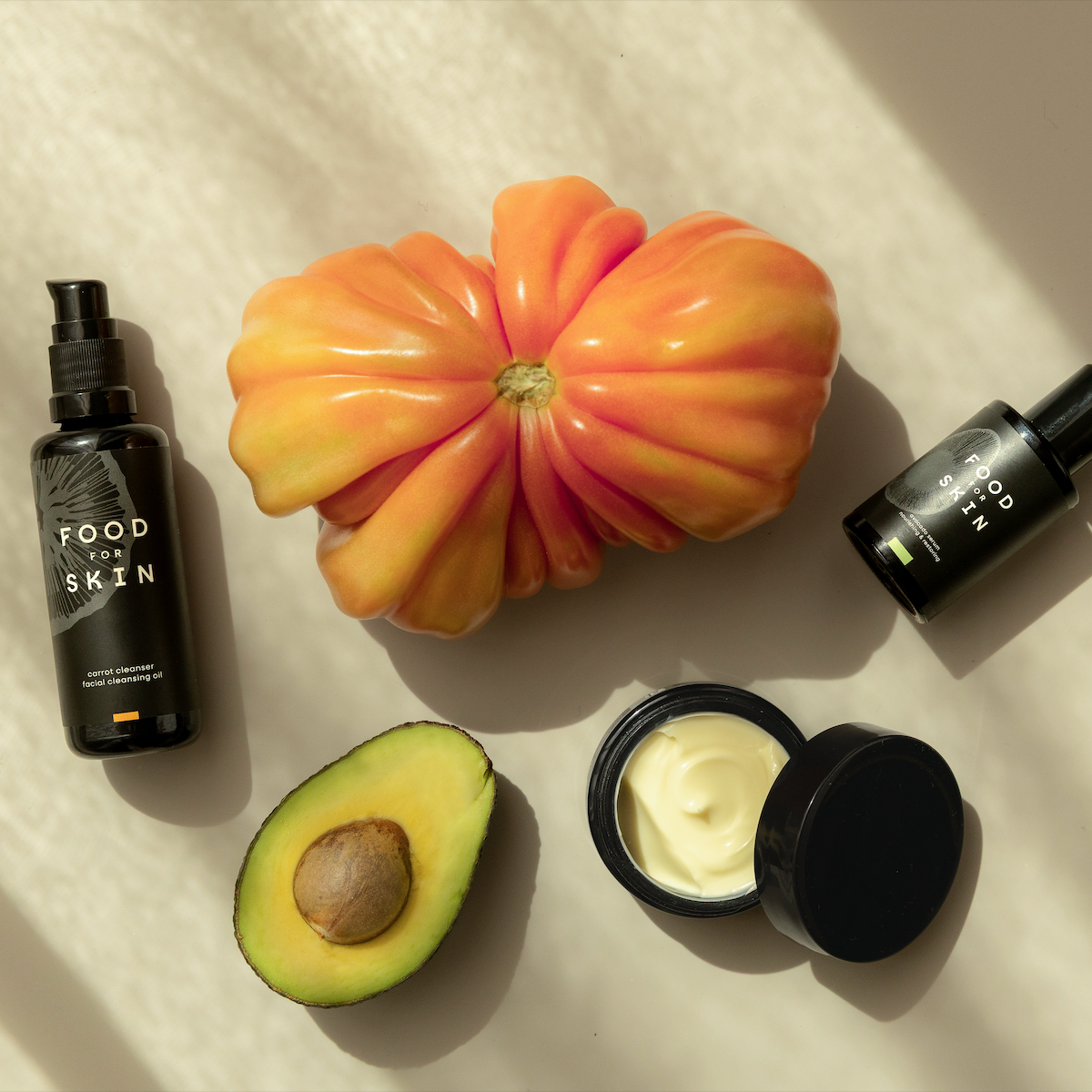
| Tomato | Contributes vitamin C, alongside the antioxidant lycopene | Tomato Base Cream |
| Citrus extracts | Naturally rich in vitamin C | Various formulas |
Vitamin C and collagen: why they belong together
Vitamin C and collagen belong together: without vitamin C, collagen synthesis stalls. If you want to keep your skin firm, you will get more out of vitamin C plus daily sun protection than out of a collagen cream, because applying collagen does not work. That is how the ingredients fit together: vitamin C supports production, antioxidants and SPF protect what is already there.
Curious about the other hype ingredients and their natural counterparts? See all natural alternatives at a glance.