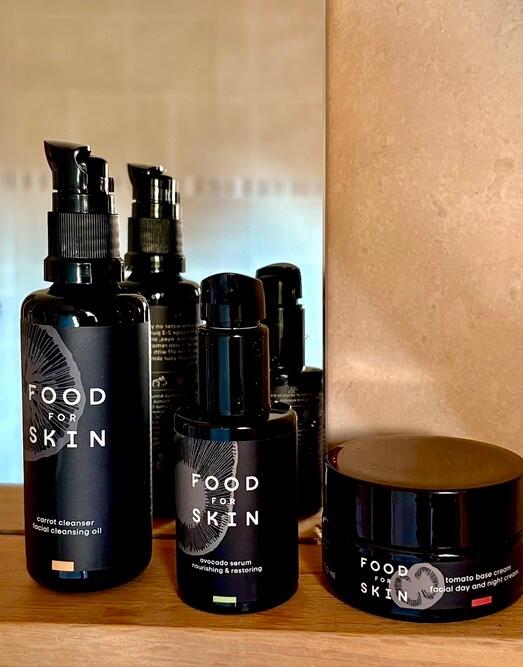

Menopause is a unique phase in a woman's life, but it also brings its share of challenges, including changes in the skin. We, the founders Cathy (54) and Angela (52), know a lot about this. During menopause, skin problems such as dry skin, loss of elasticity, and more visible lines can arise. This is perfectly normal and a part of aging, but how do you ensure your skin stays fresh and strong? In this blog, we share the best tips for skin care during menopause.
Why does your skin change during menopause?
During menopause, the production of estrogen and progesterone decreases. These hormones play a significant role in skin hydration and elasticity. A drop in these hormones leads to the skin producing less collagen, becoming thinner, and losing moisture more quickly. This can result in skin problems during menopause, such as dry and sensitive skin, itching, redness, and a duller complexion. Additionally, cell renewal slows down, which can lead to a reduced quality of the skin barrier and faster skin aging.
Most common skin problems during menopause
The hormonal changes in this phase can cause various skin complaints during menopause. Below is an overview of the most common problems and how you can address them:
1. Dry and dehydrated skin
A common skin problem during menopause is dry skin. This is due to the skin's reduced ability to retain moisture. Use a rich, natural day cream that helps retain moisture with vitamins and ingredients such as konjac root extract, shea butter, and avocado oil to intensively nourish the skin. The Tomato Base Cream contains all these ingredients.
2. Thinning skin
Due to the decrease in collagen, the skin becomes thinner and more vulnerable. The skin barrier becomes more susceptible. Ensure the skin can resist external intruders. A serum with broccoli seed oil can help strengthen the skin and protect against external influences. The Avocado Serum helps with this.
3. Sensitive skin and redness
Many women experience an increase in skin sensitivity and redness. Use skincare without irritating substances such as synthetic fragrances and alcohol. Choose soothing ingredients like chamomile, found in the Avocado Serum.
4. Pigmentation and dull complexion
Due to hormonal fluctuations, pigmentation spots and a dull complexion can arise. Exfoliating with very mild fruit acids can make pigmentation spots less visible. A mild peel helps to remove dullness from the face. Be careful with high concentrations of BHA and AHA, as these can actually worsen pigmentation spots. We prefer a mild peel (for example, the Apple Peeling) that you can use more often than a harsh peel that disrupts the skin barrier. Note: after the Peel, use an SPF of at least factor 30 to keep the skin clear and even and prevent further pigment formation. A peel removes a natural protective layer against harmful UV rays, so be careful with the sun!
Curious about the difference between a scrub, peel, or exfoliant? Read about it here
5. Reduced elasticity
The reduction of collagen and elastin causes skin sagging. Use products with vitamin A and ectoine to firm the skin. The Carrot Cleanser not only cleanses but also directly nourishes the skin and contributes to firmer skin.
Practical tips for skincare during menopause
The skin can regulate itself well if you take good care of it, but if your skin becomes too dry, too slack, or too dull, here are 5 tips:
-
Keep the skin hydrated: Use rich creams and serums with vegetable glycerin and natural oils to intensively nourish the skin and retain moisture.
-
Protect your skin from the sun: UV radiation can accelerate skin aging. Use a sunscreen with at least SPF 30 when the UV index is 3 or higher.
-
Use mild cleansers: Avoid aggressive cleansers with sulfates and alcohol, as these can further dry out the skin. Choose an oil cleanser that keeps the pH value intact.
-
Eat skin-friendly food: omega-3 fatty acids, antioxidants, and vitamin C help repair and strengthen the skin.
-
Drink enough water, get enough sleep, moderate alcohol, avoid stress (if possible).
Tailored skincare for menopause
The right skincare can make a big difference for your skin during menopause. We understand that every skin is unique and has different needs. That's why we have put together various trial sets. This way, you can discover which natural products best suit your skin type and specific challenges. Whether you primarily suffer from dry skin, sensitivity, or loss of firmness - we have a suitable solution for every skin challenge. Curious about which natural skincare best suits your menopause complaints? Start with one of our handy trial sets or let us advise you on our specific products. We are happy to help you provide your skin with the natural support it deserves during this special phase.