Q10 for the skin: the body's own antioxidant
2026-09-25 Cathy Molenaar
Q10 (ubiquinone) is an antioxidant that occurs naturally in your skin cells and helps protect against oxidative damage from sun and pollution. From around your thirties, the amount of Q10 in your skin decreases. In skincare, Q10 works best as part of a broad antioxidant system, not as a stand-alone hero ingredient.
What is Q10 and what does it do for your skin?
Q10 is not a vitamin but a coenzyme found in almost all your cells, where it plays a role in energy metabolism and, as an antioxidant, helps neutralise free radicals. For the skin, that second role is the most relevant: oxidative stress from UV radiation and pollution is an important factor in how your skin looks over the years. Because your own Q10 supply decreases with age, it is a logical ingredient in care for mature skin, provided it is presented honestly: Q10 protects, it does not reverse ageing.
Why does Q10 in the skin decrease?
Your own production gradually declines from around your thirties, and factors such as sun exposure and smoking speed up its use. That is one of the reasons why skin becomes more sensitive to external influences over the years: there is less antioxidant capacity available to capture free radicals. Adding Q10 through your skincare does not top up that supply one-to-one, but it does add protective capacity where your skin needs it.
Q10 in skincare works best in combination
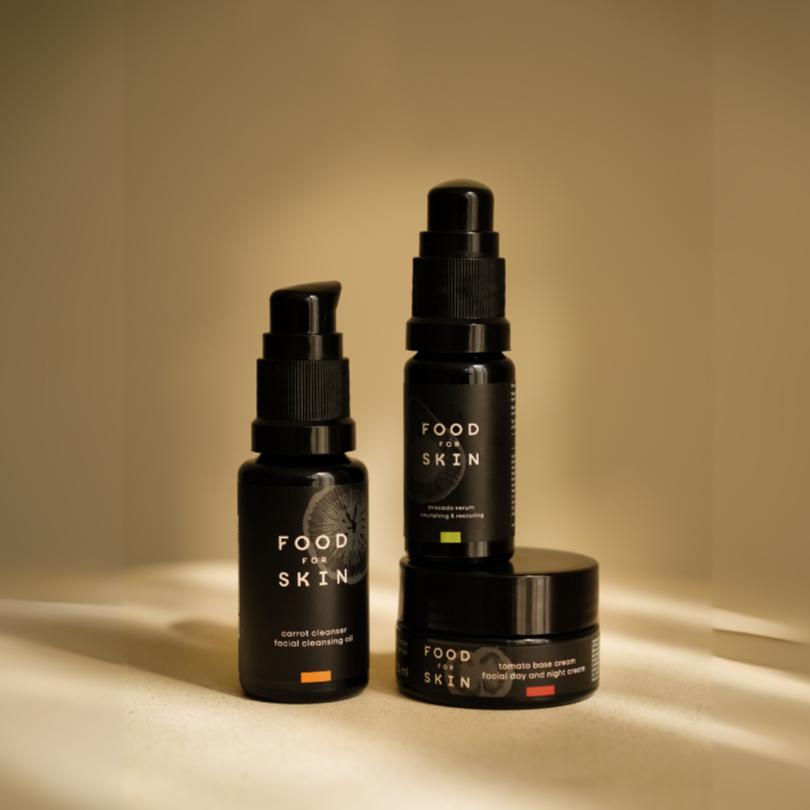
Antioxidants work like a relay team: different substances capture different radicals, and there are indications that Q10 helps regenerate other antioxidants such as vitamins C and E. A formula with Q10 alone therefore leaves potential unused. That is why we always combine Q10 with other natural antioxidants.
| Antioxidant | Natural source | Where to find it |
|---|---|---|
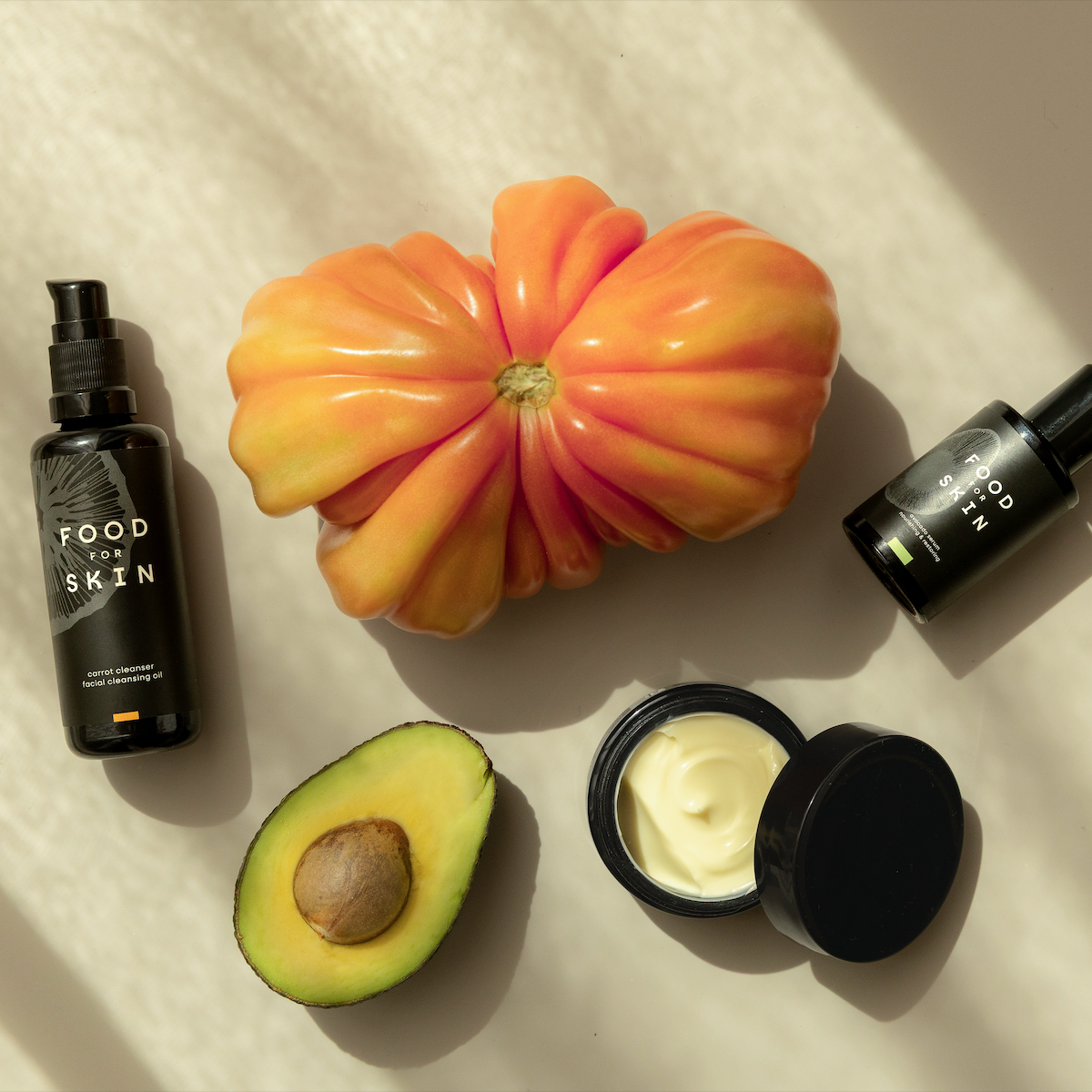
| Q10 (ubiquinone) | The body's own coenzyme | Pumpkin Serum, Avocado Serum |
| Vitamin E | Tocopherol from plant oils | Throughout the range |
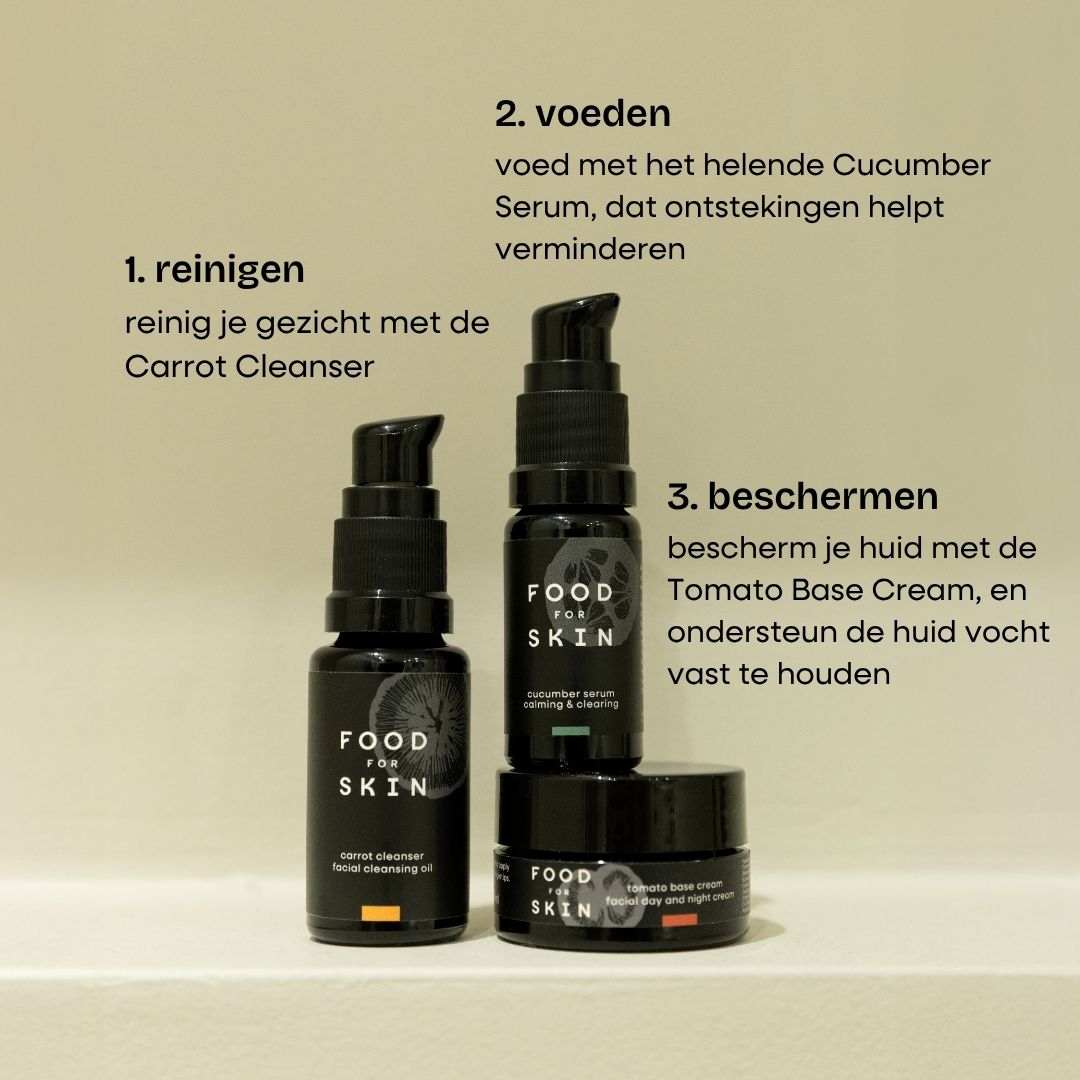
| Carotenoids | Pumpkin seed oil, sea buckthorn, carrot | Pumpkin Serum, Carrot Cleanser |
| Polyphenols | Rosemary and grape extract | Various formulas |
| Lycopene | Tomato (78%) | Tomato Base Cream |
This way Q10 does its job where it belongs: as part of the whole. Read more about this approach in natural antioxidants for the skin.
Curious about the other hype ingredients and their natural counterparts? See all natural alternatives at a glance.