This is how you treat your skin in and after the summer
2023-05-22 cathy molenaar
Dry skin summer
Summer is wonderful! You feel rested and recharged, yet your skin looks different. This can happen both during and after the summer. Your skin can feel dull, blotchy, or dry, and you might have some under-the-skin blemishes. And yet, you've taken good care of it. How can this happen? Here are four causes of less-than-perfect skin during or after the summer.
1. Pimples from sunburn
Using sunscreen can cause acne on your face, and you might notice more pimples in the summer. Both natural and chemical filters can cause a skin reaction.
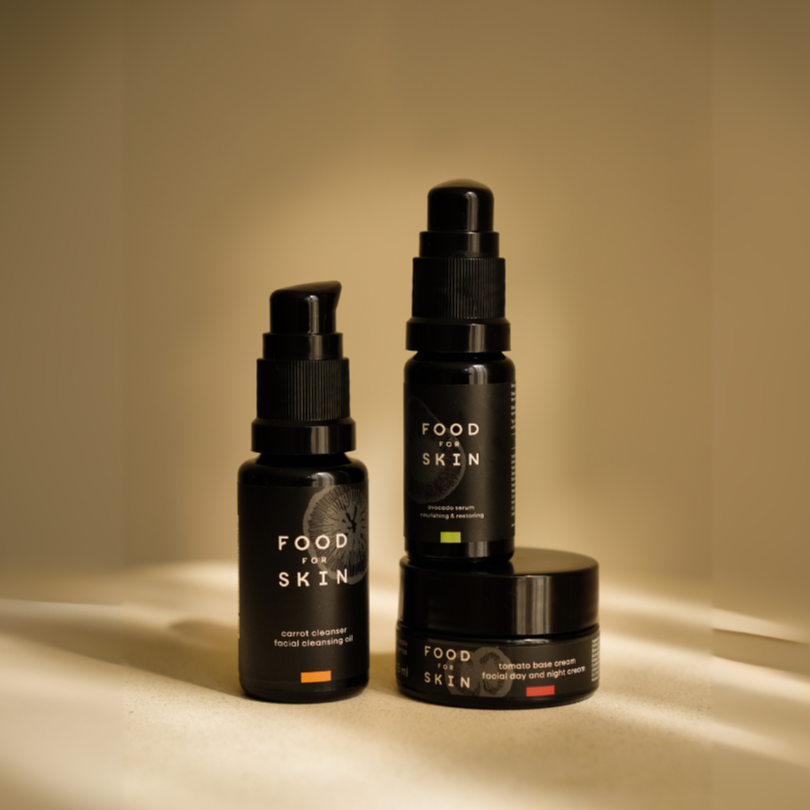
a. Physical/mineral/natural filters create a UV-blocking layer on your skin, which causes it to react differently than normal. Because sunscreen with a natural filter doesn't penetrate your skin but remains on it, it's extra important to cleanse your skin thoroughly at the end of the day, for example, with our mild Carrot Cleanser.
b. Chemical filters block UV rays from reaching the skin, which can cause skin reactions and inflammation.
2. Food and drink
On vacation, you often eat and drink differently than you would at other times of the year. Alcohol has a dehydrating effect on your body, which can cause drier skin in the summer. And you might have eaten a bit more oily food than usual. This can disrupt your skin's appearance.
3. Pimples from the sun
Sun on your skin. Even though the sun feels wonderful and you protect your skin as best you can, it still suffers from the sun. UVA penetrates deep into the skin, which can cause more wrinkles, and UVB can trigger an inflammatory reaction in the skin. You don't notice this immediately, but often only over time.
4. Less vital skin layer
The sun causes your top layer of skin to thicken. As a protective mechanism against the sun, your skin will shed fewer dead skin cells. This means you'll have more "old" cells in your top layer, which are less vital.
After summer, you'll also notice that the change in weather (autumn!) makes your skin look less attractive. The heating comes back on, the weather suddenly gets cooler, and you spend less time outdoors. This is a normal skin reaction to external conditions.
OK, now you may have found some causes of irritated skin, but more importantly: what can you do about it?
Beauty tips and skin care during and after summer
Find our tips for getting your skin flora (microbiome) back on track here. You can do this both during and after the summer.
1) Visit the beautician
Visit your beautician for a professional skin cleansing. Look here Which specialists work with Food for Skin products? Don't use strong stripping and exfoliating products yourself. These remove the protective layer of your skin flora, causing more problems. The skin receives the signal that it needs to defend itself against these products, and this only makes it more sensitive (for more information, see our blog about the skin barrier ).
2) Cleanse gently
Use a gentle cleanser that won't further irritate your skin. Our Carrot Cleanser cleanses the skin, but doesn't further disrupt its balance and actually helps restore skin flora. Make sure your cleanser is pH neutral so it doesn't further disrupt the balance of your skin barrier.
3) Wipe with a light textured cloth
Remove your oil cleanser with a lightly textured cloth, such as our washcloth , or any other lightly textured washcloth. Rinse your cleanser with lukewarm water (not too hot!) and swirl the cloth around your skin with light movements. Don't scrub! This removes dead skin cells without stripping away the protective layer of skin you're wearing.
4) Use a mild exfoliant twice a week
If you suffer from dull skin or a buildup of dead skin cells, you can use a gentle exfoliator twice a week. By removing dead skin cells, the living layer on your face literally receives more oxygen and is better able to absorb your nourishing skincare. Use the exfoliator in the evening and be sure to apply a generous amount of SPF the next day or days to protect the exfoliated skin.
5) Nourish your skin with a serum
Give your skin an extra boost with a serum. At Food for Skin, we offer three serums, depending on your age or skin condition. Find the one that suits you best here .
6) Apply a protective cream
Apply a layer of protection on top. The Tomato Base Cream is a superb protector against the elements (rain, wind, temperature fluctuations) and retains nutrients and moisture better in the skin instead of evaporating due to, for example, using the heater.
7) Drink plenty of fluids
And by that, we mean water or herbal tea! In the summer, many people drink a bit more alcohol, which dehydrates your body and therefore your skin. Therefore, drink more water or herbal tea during this period to strengthen your skin from the inside out. You really need moisture from within to hydrate. A cream simply ensures that what you already have is better retained and doesn't evaporate. A strong day and night cream alone won't be enough.
8) Pay attention to the humidity
Help your skin by paying attention to whether the humidity in your office or home (and especially in your bedroom) is adequate. You can do this by using a hygrometer and placing bowls of water around your home if the air is too dry. Ideally, do this near heat sources so the moisture can be distributed effectively.
9) Fresh air
Your skin needs to breathe. It's a living organ and doesn't want to be covered in thick layers of foundation or Vaseline. Ideally, you should use nothing on top of your cream for a few weeks and let your skin heal itself. But also ensure adequate ventilation in your home, for example, by opening a window.
Do you have any questions after reading this blog?
- Then read here more about the functioning of the skin barrier
- Contact beautician Cathy (co-founder of Food for Skin) with your questions at specialist@foodforskin.care